A booking for IV hydration should begin with more than choosing a treatment from a menu. Your medical history, current health, medicines and reasons for attending all matter. A clinician-led process is designed to establish whether treatment is suitable for you at that time, and to make sure you understand what is involved before making a decision.
For people with busy schedules, regular training routines or a general interest in wellbeing, the appeal of an infusion can be easy to understand. Yet it is worth approaching the process with clear expectations. Intravenous treatment is a clinical procedure, not a substitute for medical care, regular meals, fluids, sleep or advice from your GP.
What IV hydration involves
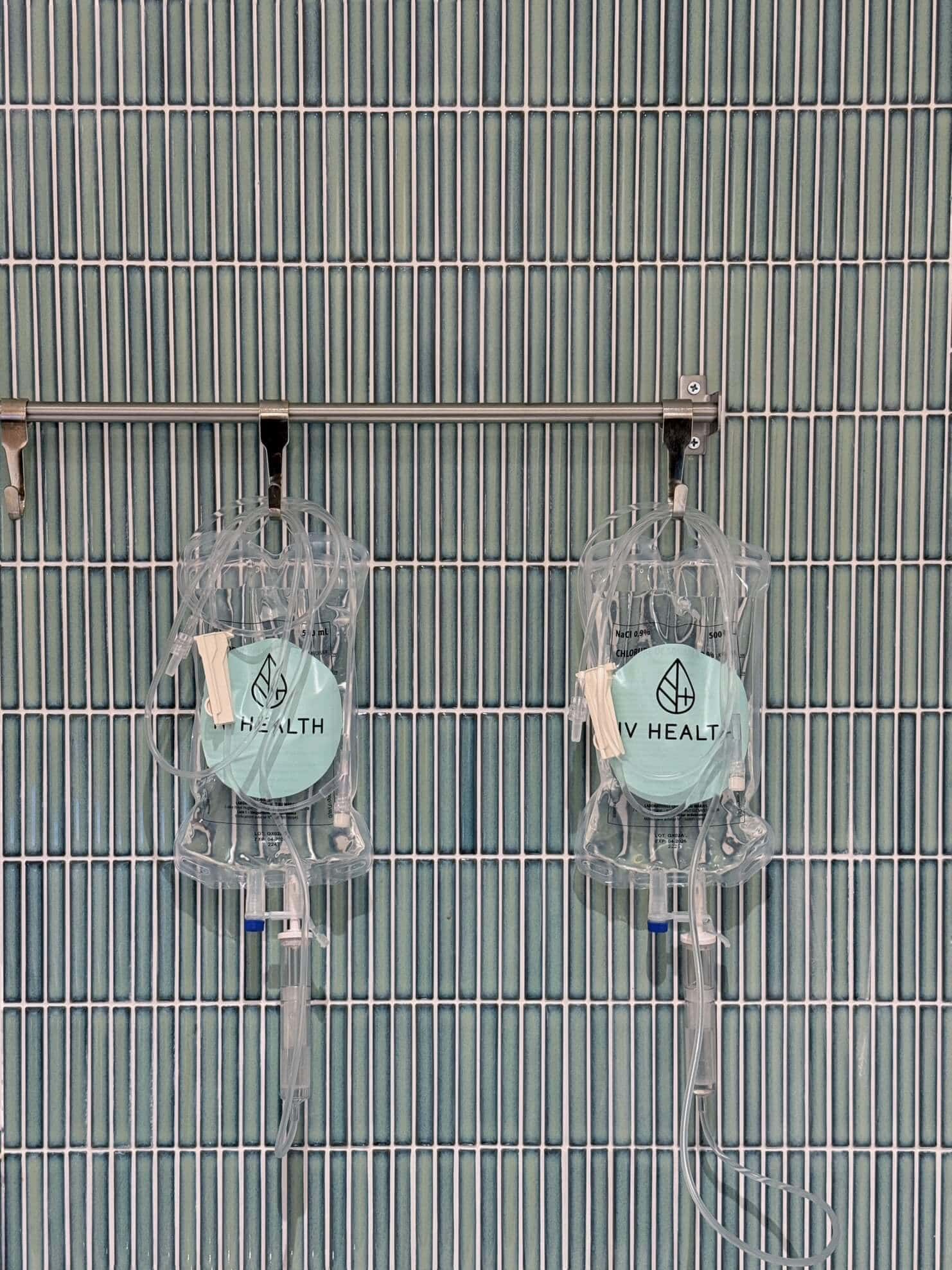
IV hydration refers to fluids administered into a vein through a small cannula. Depending on the clinical assessment and prescription, the treatment may involve a fluid solution and prescribed components. It takes place in a clinical setting, with a registered nurse administering the treatment.
The term can sound straightforward, but the decision to proceed is individual. The most appropriate response to feeling unwell, tired or concerned about hydration is not always an infusion. For example, persistent symptoms, a sudden change in how you feel, vomiting, diarrhoea, chest pain, shortness of breath, fainting or confusion need medical assessment rather than a wellness appointment.
A useful starting point is to consider your aim for the visit. Are you looking for information about the process? Do you have a diagnosed health condition? Have you recently been unwell? These details help the clinical team understand whether a consultation is appropriate and whether further medical care should be considered.
Why a consultation comes first
A proper consultation is not simply paperwork. It is the part of the appointment where relevant information is gathered, questions are discussed and suitability is considered. At IV Health, clients complete a health and medical-history consultation with a registered nurse. Treatment is subject to assessment and prescription by a medical practitioner.
You may be asked about current symptoms, allergies, health conditions, recent illness, pregnancy or breastfeeding, previous reactions to medical procedures, and medicines or supplements you use. Be open and specific, including about treatments you may not think are relevant. This information can affect whether treatment proceeds, whether it needs to be modified, or whether another form of care is more appropriate.
The consultation is also your opportunity to ask practical questions. You might want to know who will administer the treatment, how long the appointment may take, what sensations can occur during cannulation, what monitoring is provided, and what to do if you feel unwell afterwards. Informed consent means having enough information to decide freely, including understanding that you can decline or stop the process.
What happens during an IV hydration appointment
If a medical practitioner prescribes treatment and you choose to proceed, a registered nurse will prepare and administer it. The nurse will check relevant details, explain the procedure and insert a small cannula into a suitable vein. There can be a brief sharp sensation during insertion, and some people may find this part uncomfortable.
Once the infusion begins, you will generally remain seated or reclined while the nurse monitors you. A clinic appointment should allow you to tell the nurse promptly about discomfort, pain, dizziness, itching, swelling or any other change in how you feel. These are not details to push through or minimise.
The setting may be calm and comfortable, with a recliner, blanket, tea or coffee available after the clinical aspects of the appointment are complete. Comfort matters, but it is separate from clinical oversight. The important safeguards are the assessment, prescription, qualified administration and clear communication throughout the visit.
Why individual suitability matters
Not everyone is suitable for IV treatment, and suitability can change over time. A person who attended previously may still need a fresh review if their health, medicines or circumstances have changed. A clinician may decide not to proceed, recommend a different pathway, or ask you to speak with your GP first.
That outcome can feel disappointing if you had set aside time for the appointment, but it is an appropriate part of clinically governed care. A considered decision includes the option not to treat.
Understanding possible risks and limitations
Any procedure involving a vein carries potential risks. These can include bruising, pain, bleeding, irritation around the insertion site, infection, inflammation of a vein, fluid-related complications and allergic reactions. Some risks are uncommon, but uncommon does not mean irrelevant. Your personal health history influences the level and type of risk that may apply.
Clinical assessment reduces uncertainty but cannot remove it entirely. Tell the nurse immediately if you experience discomfort during treatment, and follow the aftercare advice you are given. Seek urgent medical care for severe or worsening symptoms after any medical procedure.
It is also sensible to be cautious about broad claims made about IV hydration. Feeling better after taking time to rest, having fluids, changing routine or recovering from a short-lived illness can have many explanations. A treatment should not be presented as a cure, prevention strategy or replacement for diagnosis and ongoing medical management.
Everyday hydration still starts with habits
For most adults, day-to-day hydration is shaped by ordinary routines: drinking regularly across the day, responding to thirst, eating a varied diet and adjusting fluid intake during heat, physical activity or illness. Needs vary with body size, activity, weather, pregnancy, breastfeeding and health conditions.
Urine colour can sometimes offer a rough clue, with pale straw-coloured urine often consistent with adequate hydration. It is not a diagnostic test, however. Some foods, drinks, supplements and medicines can change urine colour. People with heart, kidney or liver conditions, or those on fluid restrictions, should follow advice from their treating health professional rather than general hydration tips.
Alcohol, long workdays and exercise can all affect routines, but they do not change the value of the basics. Keep water accessible, take regular breaks, eat consistently and plan ahead for hot days or demanding training sessions. If you are repeatedly struggling with thirst, dizziness, fatigue, headaches or changes in urination, speak with your GP to explore the cause.
Preparing for a considered conversation
Before a consultation, write down any questions and bring an up-to-date list of medicines and supplements. Think about recent changes in your health, including illnesses, procedures or new diagnoses. If you are unsure whether a detail matters, mention it. A complete picture supports a better clinical discussion.
There is no need to arrive with a fixed expectation that treatment will go ahead. The most useful appointment is one where you can discuss your circumstances openly, understand the clinician’s recommendation and leave knowing what the appropriate next step is.
Book a consultation to discuss whether treatment is appropriate for you.
Taking time to ask questions, share your full history and consider your usual health habits is a practical way to approach any clinical service with care.
This article is general information only and is not medical advice. All treatments require a clinical consultation and are subject to assessment by a medical practitioner. Speak to your GP about any health concerns.